
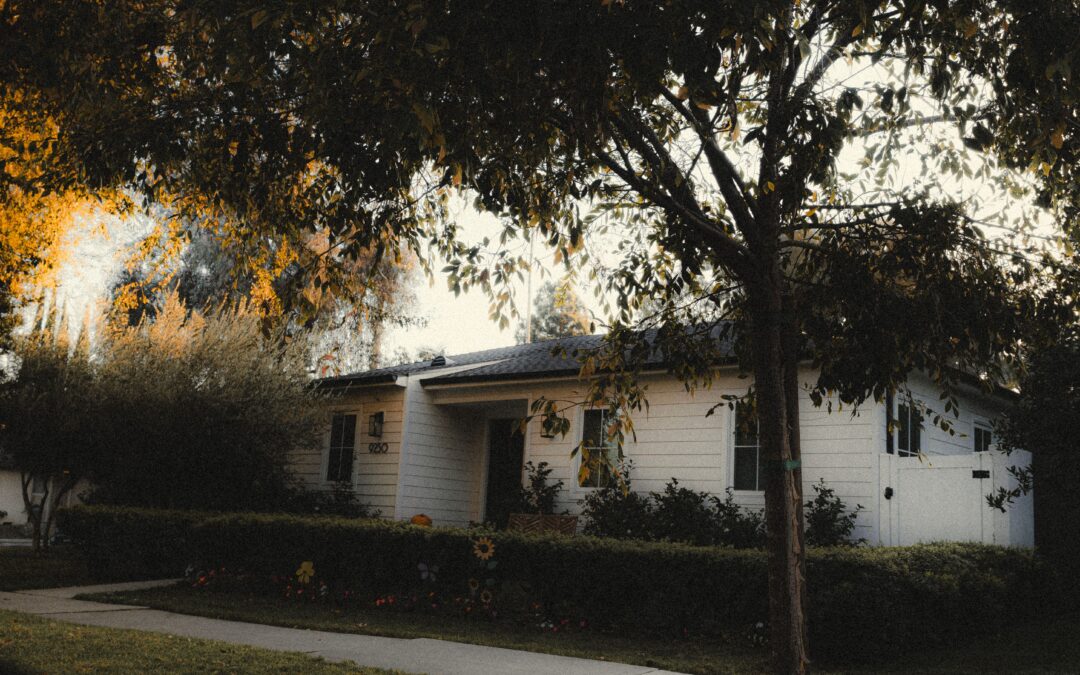
If you own a home in Sunland-Tujunga, wildfire preparation is no longer something that can be treated as an occasional landscaping project. For many foothill homeowners, defensible space, vegetation management, insurance and property maintenance are becoming increasingly connected to the long-term ownership — and eventual sale — of a home.
One of the most talked-about changes is California's proposed Zone 0 requirement: an ember-resistant area extending approximately five feet outward from a structure.
There has also been considerable confusion about when the new rules actually take effect. So let's separate the headlines from where things currently stand.
What Is Zone 0?
Zone 0 refers to the area immediately surrounding a structure, generally the first five feet from the building. The concept is based on reducing the combustible materials that can allow wind-driven embers to ignite vegetation, mulch, fencing, furniture or other objects adjacent to a house.
This area is particularly important because a wildfire does not necessarily have to reach a structure as a wall of flames. Burning embers can travel ahead of a fire and ignite combustible materials next to a building.
For communities along the foothills such as Sunland and Tujunga, that makes the conversation especially relevant.
Where Does California's Zone 0 Rule Stand Today?
As of September 15, 2026, California's statewide Zone 0 regulation is not yet in effect.
The California Board of Forestry and Fire Protection approved a Zone 0 regulatory package on August 19, 2026. The package was subsequently submitted to the California Office of Administrative Law for emergency review.
However, that filing was withdrawn on September 8, 2026 before it became an effective statewide regulation.
That means there is presently no statewide Zone 0 effective date and no statewide compliance clock running under that particular regulation.
That does not mean homeowners should ignore defensible space. Existing fire-safety, brush-clearance and vegetation-management requirements continue to apply where applicable, and the Zone 0 regulations may return in revised form.
What Should Sunland-Tujunga Homeowners Do Now?
1. Find Out Which Fire Hazard Zone Your Property Is In
Do not assume that every property in Sunland-Tujunga has exactly the same requirements. Fire Hazard Severity Zones and other property-specific conditions matter.
Before spending significant money on landscaping changes, fencing or hardscape, determine how your particular parcel is classified and what requirements currently apply to it.
2. Look Closely at the First Five Feet Around the House
Even without a new statewide regulation in effect, the area directly adjacent to your home deserves attention.
Look for accumulated leaves, dead vegetation, combustible mulch, wood piles, patio furniture, storage containers and other items that could provide fuel near the structure.
Think of those first few feet as a transition zone between the building and the landscaping.
3. Pay Attention to Fences and Gates
Wood fencing that connects directly to a house has received considerable attention during the Zone 0 rulemaking process because a burning fence can potentially carry fire directly to a structure.
Homeowners considering replacement fencing may want to discuss fire-resistant design and materials with an appropriate contractor rather than simply duplicating an older installation.
4. Don't Forget Roofs, Gutters and Deck Areas
Defensible space is not only about shrubs.
Leaves and other combustible debris can accumulate on roofs, inside gutters, below decks and in corners that are rarely noticed during routine landscaping. These areas should be incorporated into regular property maintenance.
5. Document Improvements You Make
If you spend money improving defensible space, replacing landscaping, hardening portions of the home or making other fire-safety improvements, keep photographs, invoices, permits and contractor information together.
That documentation can be useful when speaking with insurers and may also become helpful when the property is eventually placed on the market.
Why Sellers Should Pay Attention
Fire safety is increasingly part of the real-estate conversation in California's foothill communities.
A prospective buyer may be thinking about more than the kitchen, bedroom count and mountain view. They may also be asking:
- What fire hazard zone is this property in?
- Can I obtain acceptable homeowners insurance?
- Has the vegetation been maintained?
- Are there combustible materials immediately against the structure?
- Has the property received brush-clearance notices?
- What improvements have already been made?
A well-maintained property allows the seller to answer those questions more confidently.
Buyers Should Investigate Early Too
If you're buying in Sunland-Tujunga, do not wait until the final days of escrow to start investigating insurance and wildfire-related property conditions.
Insurance availability, premiums and property-specific requirements can materially affect the cost of ownership. Buyers should investigate these issues early and consult the appropriate insurance, inspection and fire-safety professionals.
The Bigger Picture
The details of California's Zone 0 regulations may continue to evolve. The broader trend, however, is already clear: wildfire resilience is becoming an increasingly important component of owning real estate in foothill communities.
For Sunland-Tujunga homeowners, proactive maintenance can improve safety today while also making the property easier for future buyers to understand.
Thinking About Selling in Sunland-Tujunga?
Preparing a foothill property for sale requires more than putting a sign in the yard. From pricing and presentation to permits, property condition and local market positioning, the details matter.
Call or text Armen Mardirousi at R3ES at 818-482-1569 to discuss your property and your options.
Information in this article is provided for general informational purposes only and should not be considered legal, insurance, fire-safety or regulatory advice. Regulations and property requirements can change. Property owners and buyers should verify current requirements with the appropriate governmental agencies and qualified professionals.